
FBI Background Check: How to Get One
When it comes to conducting thorough background screening, few checks are as comprehensive or authoritative as an FBI background check. Whether you’re an employer seeking to verify a candidate’s criminal history, an individual applying for professional licensing, or someone who simply wants to know what information exists about you in federal databases, understanding how FBI background checks work is essential.
An FBI background check, also known as an Identity History Summary, is a detailed report that searches federal criminal databases maintained by the Federal Bureau of Investigation. Unlike local or state criminal history searches that only cover specific jurisdictions, FBI background checks provide a national perspective by accessing the Interstate Identification Index (III), which contains criminal history information from across all 50 states, federal agencies, and participating territories.
Organizations and individuals rely on FBI background checks because they offer unparalleled scope and authority. Federal agencies require them for security clearances, many employers use them for sensitive positions, and professional licensing boards often mandate them for healthcare workers, educators, and financial professionals. The key benefits include nationwide coverage, access to federal crime databases, official government authentication, and the ability to uncover criminal records that might not appear in standard commercial background checks.
For those seeking reliable, FCRA-compliant background screening services, BackgroundChecker.com provides comprehensive FBI background checks alongside other essential screening tools, serving everyone from individual applicants to enterprise-level HR departments with fast turnaround times and transparent pricing.
How It Works
The FBI background check process involves several sophisticated steps that ensure comprehensive and accurate results. Understanding this process helps both employers and individuals appreciate the thoroughness and reliability of these screenings.
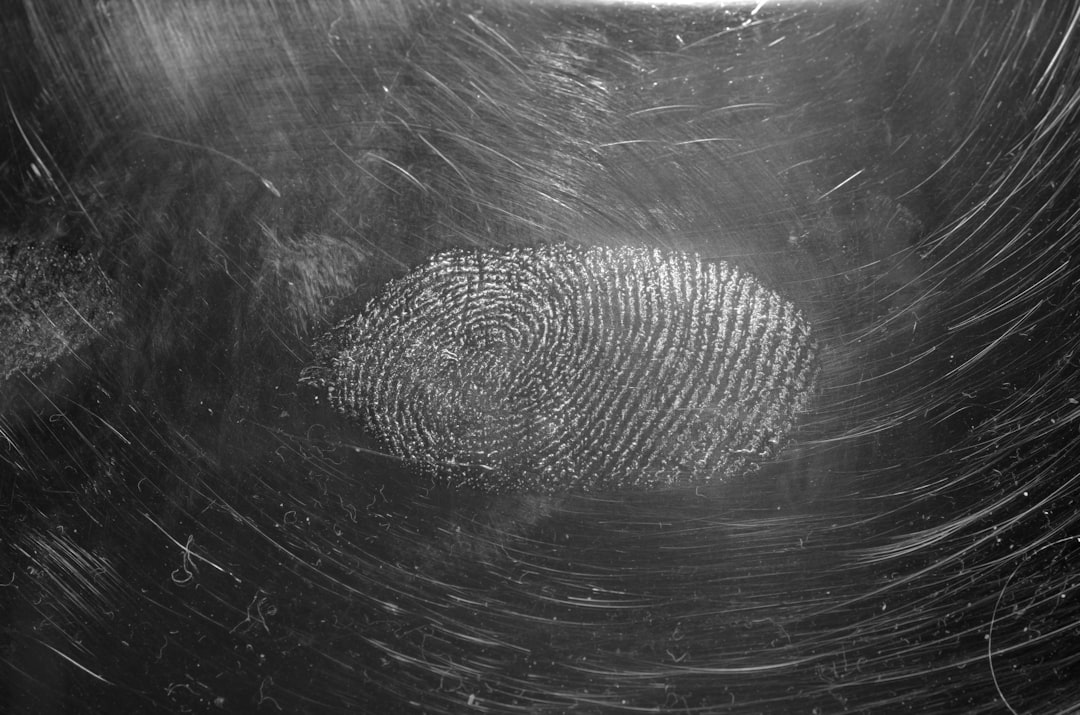
The process begins when a fingerprint submission is made to the FBI’s Criminal Justice Information Services (CJIS) Division. Unlike name-based searches that can produce false positives due to common names, FBI background checks rely primarily on fingerprint identification, which provides definitive identity verification. These fingerprints are electronically compared against millions of records in the FBI’s Integrated Automated Fingerprint Identification System (IAFIS).
The FBI searches multiple comprehensive databases during this process. The primary source is the Interstate Identification Index (III), which contains criminal history records from all 50 states, the District of Columbia, federal agencies, and participating territories. Additionally, the search includes the National Crime Information Center (NCIC), which contains information about wanted persons, missing persons, and other law enforcement data.
When searching these databases, the FBI looks for exact fingerprint matches that connect to criminal history records. This includes arrests, prosecutions, convictions, and in some cases, non-conviction data such as dismissed charges or acquittals, depending on state reporting practices and the type of background check being conducted.
The information sources include state repositories that forward criminal records to federal databases, federal courts and agencies that report directly to FBI systems, and local law enforcement agencies that participate in federal information sharing programs. This multi-layered approach ensures that the resulting background check provides the most comprehensive view possible of an individual’s criminal history.
What’s Included
FBI background checks provide detailed information that goes far beyond what typical commercial background screenings can offer. Understanding exactly what’s included helps organizations and individuals make informed decisions about when this level of screening is necessary.
The primary component is a complete criminal history record, which includes felony and misdemeanor convictions from all participating jurisdictions. This covers everything from federal crimes to state-level offenses that have been reported to federal databases. Unlike local searches that might miss crimes committed in other states, FBI background checks capture this information regardless of where it occurred within the United States.
Arrest records are also included, though the specific details and timeframes vary by state. Some jurisdictions report all arrests regardless of disposition, while others only report arrests that resulted in convictions. The background check will typically show the date of arrest, the charges filed, and the final disposition of the case when available.
Court records form another crucial component, including information about prosecutions, plea agreements, sentences imposed, and probation or parole status. For federal crimes, this information is particularly comprehensive and up-to-date.
The report format includes personal identifiers to ensure accuracy, such as name variations, aliases, dates of birth, and physical descriptors. Each criminal record entry includes the originating agency, offense details, dates of occurrence and disposition, and case numbers for verification purposes.
However, it’s important to note that FBI Background Check Cost:s focus specifically on criminal history information. They do not include credit history, employment verification, education verification, or civil court records unless those civil matters resulted in criminal charges.
Who Needs This Check
FBI background checks serve various purposes across multiple sectors, each with specific requirements and use cases that make this level of screening essential.
In the employment sector, positions requiring security clearances always mandate FBI background checks. This includes federal government employees, defense contractors, and anyone working with classified information. Healthcare organizations frequently require FBI checks for clinical staff, particularly those working with vulnerable populations or controlled substances. Educational institutions often require these checks for teachers, administrators, and support staff who work directly with students.
Financial services companies use FBI background checks for employees handling money, sensitive customer information, or working in positions of significant trust. Transportation companies, particularly those involved in airport security or commercial driving, often require FBI-level screening due to federal regulations.
For individuals, FBI background checks are commonly needed when applying for professional licenses in healthcare, education, law enforcement, or financial services. Immigration processes, including naturalization applications and certain visa categories, require FBI background checks. Additionally, individuals adopting children, whether domestically or internationally, typically must complete FBI background screening.
Volunteer positions with vulnerable populations, such as youth organizations, senior care facilities, or religious institutions, increasingly require FBI background checks. Professional associations and regulatory bodies also mandate these checks for membership or certification in many fields.
International scenarios present another important use case. Americans moving abroad for work or residence often need FBI background checks as part of visa applications or work permit processes. Similarly, individuals seeking to establish businesses internationally may need to provide FBI background checks to foreign governments or business partners.
Legal Considerations
Conducting FBI background checks involves navigating complex legal requirements that vary depending on the purpose of the screening and the jurisdiction involved. Understanding these legal considerations is crucial for compliance and proper use of the information obtained.
The Fair Credit Reporting Act (FCRA) governs most employment-related background checks, including FBI screenings. Under the FCRA, employers must obtain written consent before conducting background checks, provide specific disclosures about their intentions, and follow strict adverse action procedures if they decide not to hire someone based on background check results. These requirements apply regardless of whether the employer conducts the screening internally or uses a third-party screening company.
Consent requirements extend beyond simple agreement. The consent must be clear, conspicuous, and obtained on a standalone document without extraneous information. Employers cannot bury background check consent in employment applications or other documents. For FBI background checks specifically, additional consent may be required for fingerprinting and submission to federal databases.
State-specific rules add another layer of complexity. Some states limit how far back criminal history can be considered in employment decisions, while others restrict the types of crimes that can be considered for certain positions. Ban-the-box laws in many jurisdictions prohibit asking about criminal history until later in the hiring process, though these laws typically include exceptions for positions requiring FBI background checks.
Industry-specific regulations also apply. Healthcare facilities must comply with state licensing requirements and federal regulations regarding employee screening. Financial institutions must meet Bank Secrecy Act requirements and other federal banking regulations. Educational institutions must comply with state education department requirements and federal guidelines for employees working with students.
Equal Employment Opportunity Commission (EEOC) guidance requires employers to consider the nature of the crime, the time elapsed since the conviction, and the nature of the job when making employment decisions based on criminal history. This individualized assessment requirement applies to FBI background check results just as it does to other criminal history information.
Timeline and Cost
Understanding the timeline and cost factors associated with FBI background checks helps organizations and individuals plan appropriately and set realistic expectations for the screening process.
Standard FBI background checks typically take 3-5 business days for processing once fingerprints are submitted electronically to the FBI. However, this timeline can vary based on several factors, including the quality of fingerprint submissions, the complexity of an individual’s criminal history, and current FBI processing volumes. During peak periods or when manual review is required, processing times may extend to 7-10 business days.
The fingerprinting process itself adds time to the overall timeline. Electronic fingerprinting at authorized locations is typically completed the same day, with results transmitted immediately to the FBI. However, scheduling appointments and traveling to fingerprinting locations may add 1-2 days to the overall process.
For individuals with complex criminal histories or common names that require additional verification, processing times may be longer as FBI staff conduct manual reviews to ensure accuracy. International submissions or cases requiring coordination with multiple jurisdictions can also extend processing times.
Cost factors vary significantly depending on the purpose of the background check and who is requesting it. FBI background checks for personal use typically cost $18 when submitted directly to the FBI, plus additional fees for fingerprinting services, which range from $10-50 depending on the location and service provider.
Employment-related FBI background checks processed through authorized channels may have different fee structures, often ranging from $25-75 per check depending on the screening company and additional services included. Volume discounts are typically available for organizations conducting multiple checks.
Expedited processing options are limited for FBI background checks, as the FBI does not offer rush processing for most civilian requests. However, some authorized channelers provide faster processing for specific types of requests, typically at premium pricing.
Additional costs may include travel to fingerprinting locations, document authentication fees for international use, and translation services if results need to be provided in foreign languages.
How to Order
Ordering an FBI background check involves several steps that must be completed accurately to ensure successful processing and reliable results.
The first step is determining the appropriate submission method. For personal use, individuals can submit requests directly to the FBI through their approved channelers or visit authorized fingerprinting locations. For employment purposes, employers typically work with FCRA-compliant background screening companies like BackgroundChecker.com that are authorized to conduct FBI checks on behalf of organizations.
Required information includes complete legal name, including any aliases or maiden names, current address and addresses for the past several years, date of birth, Social Security number, and the specific purpose for the background check. Some requests require additional information such as employer details, licensing agency information, or specific authorization codes.
The fingerprinting process requires visiting an authorized location with valid photo identification. Acceptable forms of ID typically include driver’s licenses, state-issued ID cards, passports, or military identification. The fingerprinting technician will capture electronic prints and verify identity before submitting the information to the FBI.
For organizations using background screening services, the process typically involves creating an account with the screening provider, submitting candidate information through a secure online portal, and coordinating fingerprinting appointments. Many screening companies offer mobile fingerprinting services that come to the employer’s location for convenience.
Payment methods vary by submission channel but typically include credit cards, money orders, or electronic payments. Some organizations may establish billing accounts with screening providers for ongoing background check needs.
After submission, requestors receive confirmation numbers or tracking information to monitor the progress of their background checks. Results are typically delivered electronically through secure portals, though some situations may require mailed paper reports.
Quality control measures throughout the ordering process help ensure accurate results. This includes verification of personal information, confirmation of fingerprint quality, and review of submission requirements before processing begins.
Limitations and Considerations
While FBI background checks provide comprehensive criminal history information, understanding their limitations helps organizations and individuals use them effectively and make informed decisions about additional screening measures.
Coverage limitations exist despite the national scope of FBI background checks. Not all criminal records are reported to federal databases, particularly minor local offenses or violations handled by jurisdictions that don’t participate fully in federal reporting systems. Some states have restrictions on what information they share with federal databases, and reporting delays can mean that recent criminal activity might not appear immediately.
The focus on criminal history means that FBI background checks don’t provide information about civil matters, employment history, education verification, credit history, or other non-criminal background information that might be relevant for employment or other decisions. Organizations relying solely on FBI background checks may miss important information about an individual’s background.
Accuracy factors include the possibility of incomplete records, outdated information, or administrative errors in database entries. While fingerprint-based identification significantly reduces the risk of mistaken identity, errors in data entry or case disposition updates can still occur. Some records may show arrests without final dispositions, leaving questions about the ultimate outcome of criminal cases.
Timing considerations affect the completeness of FBI background check results. Recent arrests or convictions may not yet be reflected in federal databases due to reporting delays from local jurisdictions. This lag time can range from days to months depending on the efficiency of local reporting systems.
International limitations are also significant. FBI background checks only cover criminal activity within the United States and its territories. Individuals with international criminal history would not have that information reflected in FBI databases, making additional screening necessary for those with extensive international backgrounds.
For comprehensive screening programs, organizations often combine FBI background checks with other screening tools such as county-level criminal searches, employment verification, reference checks, and industry-specific screenings. This multi-layered approach helps address the limitations of any single screening method.
FAQ
Q: How long are FBI background check results valid?
A: FBI background check results don’t have an official expiration date, but their practical validity depends on the requesting organization’s policies and the intended use. Many employers and licensing agencies require background checks to be completed within 90 days to 1 year of the application date. For ongoing employment, some organizations require periodic re-screening every 3-5 years.
Q: Can I get an FBI background check on someone else?
A: No, you cannot obtain someone else’s FBI background check without their explicit written consent and a legitimate legal purpose. The individual must provide their own fingerprints and authorize the background check. Attempting to obtain someone else’s criminal history information without proper authorization is illegal and violates federal privacy laws.
Q: What if my FBI background check shows incorrect information?
A: If you find errors in your FBI background check, you can request corrections through the FBI’s Criminal History Analysis and Response Team (CHART). You’ll need to provide documentation supporting the correction, such as court records showing case dismissals or corrections to personal information. The process typically takes several weeks to complete.
Q: Do FBI background checks show arrests that didn’t result in convictions?
A: This depends on the reporting practices of individual states and the type of background check being conducted. Some jurisdictions report all arrests regardless of outcome, while others only report convictions. Non-conviction records may be included but should be clearly marked as such, showing dismissals, acquittals, or other non-conviction dispositions.
Q: Can I use my FBI background check results for multiple purposes?
A: While you can obtain a copy of your own FBI background check for personal records, using the same results for multiple official purposes may not be acceptable. Different organizations often require background checks to be submitted directly from authorized sources or completed within specific timeframes. Check with each requesting organization about their specific requirements before assuming you can reuse results.
Conclusion
FBI background checks represent the gold standard in criminal history screening, providing comprehensive, nationwide coverage that surpasses what standard commercial background checks can offer. Their fingerprint-based identification system, access to federal databases, and inclusion of records from all participating jurisdictions make them indispensable for positions requiring the highest levels of trust and security.
Understanding when FBI background checks are necessary, how they work, and what information they provide helps both employers and individuals navigate the complex world of background screening more effectively. While these checks have limitations and don’t replace the need for comprehensive screening programs, they provide crucial criminal history information that forms the foundation of thorough background verification.
The legal requirements surrounding FBI background checks emphasize the importance of working with experienced, compliant screening providers who understand FCRA regulations and industry-specific requirements. Proper consent, disclosure, and adverse action procedures protect both employers and job candidates while ensuring that background screening serves its intended purpose of promoting safe, trustworthy workplace environments.
Ready to conduct comprehensive, FCRA-compliant FBI background checks for your organization or personal needs? BackgroundChecker.com makes the process simple with our user-friendly online platform, transparent pricing, and dedicated customer support. Whether you’re a small business owner screening your first employee, an HR professional managing enterprise-level hiring, or an individual needing background verification for licensing or personal purposes, our experienced team provides fast, accurate, and legally compliant screening services you can trust. Start your FBI background check today and experience the difference that professional, reliable screening services can make for your peace of mind and legal compliance.
